Mugel Cove, La Ciotat
©

Mugel Cove, La Ciotat

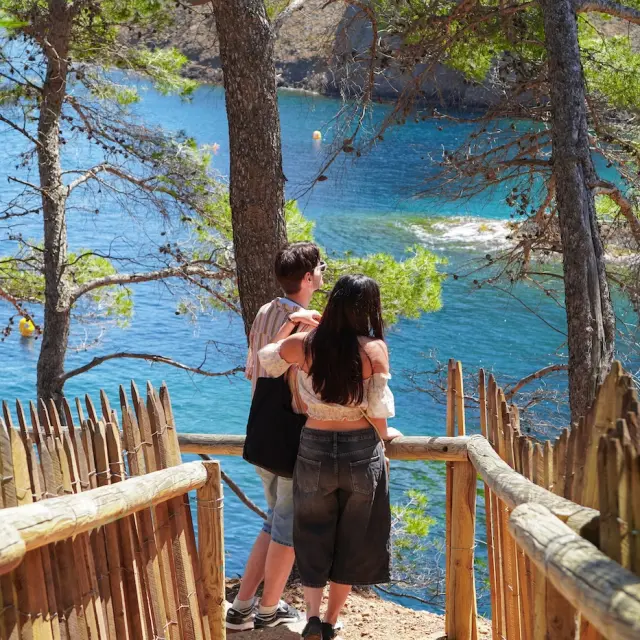
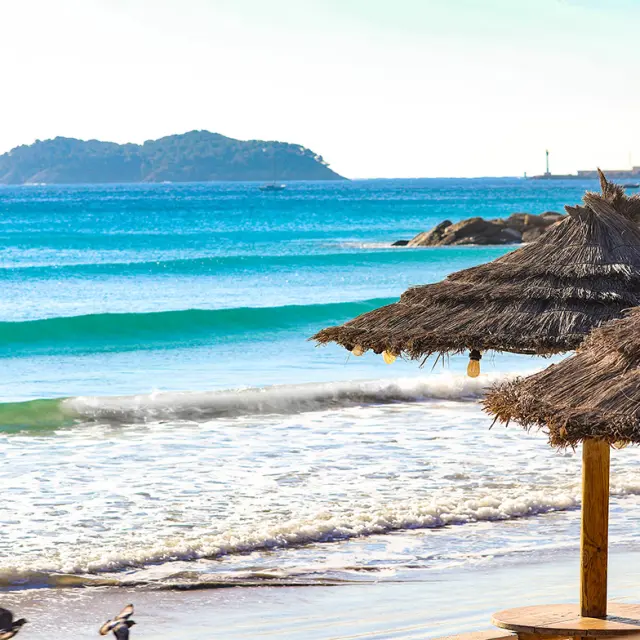
The Mugel Calanque

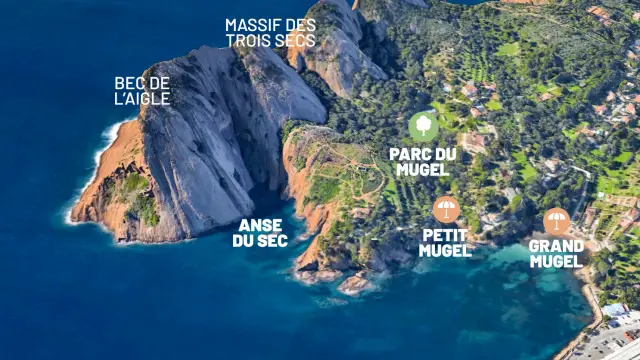
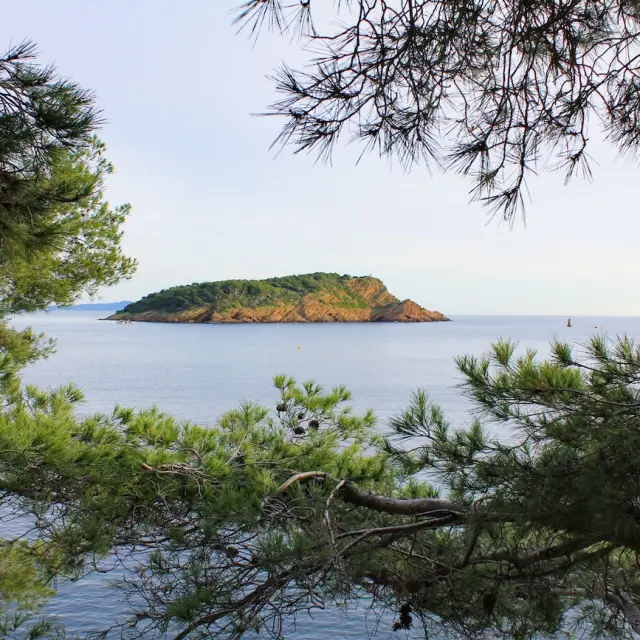
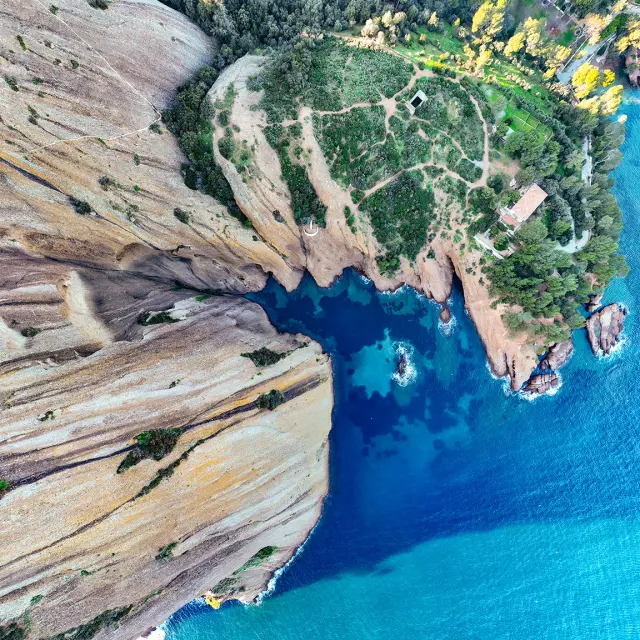
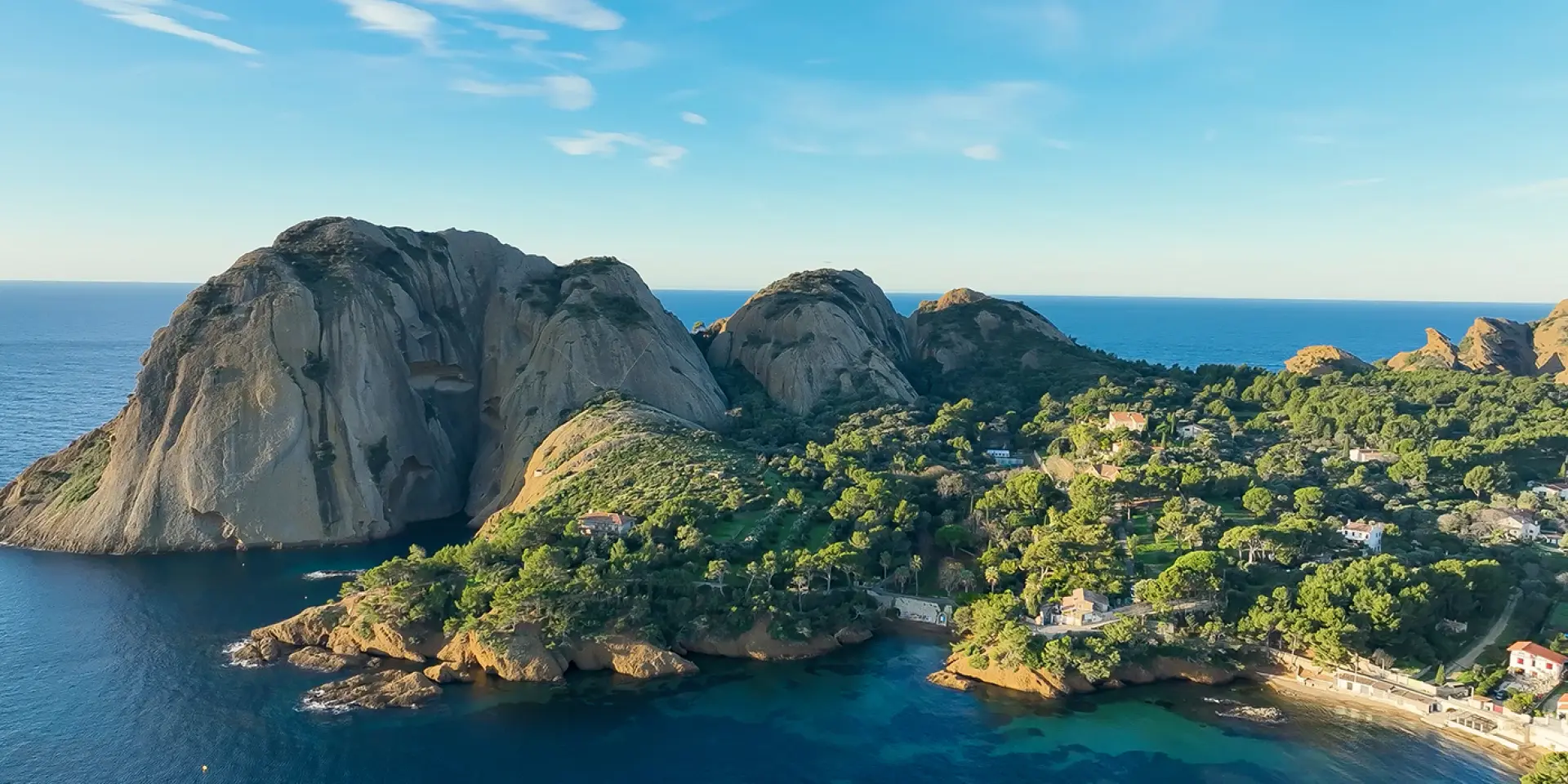
The Calanque du Mugel is a natural site sheltered by the Bec de l’Aigle massif in the heart of the Calanques National Park.

Two calanques in one

The Calanque du Mugel is actually made up of two small calanques:

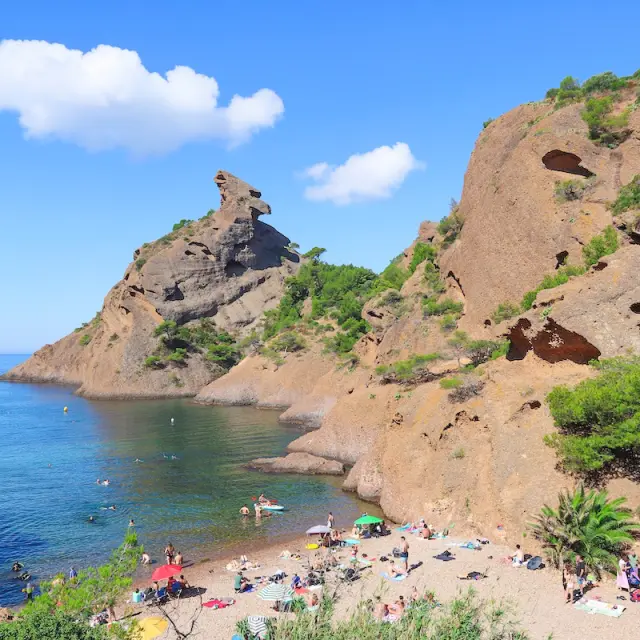
    • Le Petit Mugel is the smaller of the two calanques, but it is also the most secluded and peaceful, with a small pebble beach and crystal-clear waters. It is only accessible during the day (as it is situated within the Parc du Mugel, which is closed in the evening and at night).
    • Le Grand Mugel, on the other hand, is more spacious and busier. It has a restaurant serving Mediterranean cuisine overlooking Île Verte.

Also worth noting isthe Anse du Sec, at the foot of the Trois Secs massif: it is undoubtedly the most beautiful spot in La Ciotat.

Exceptional natural beauty

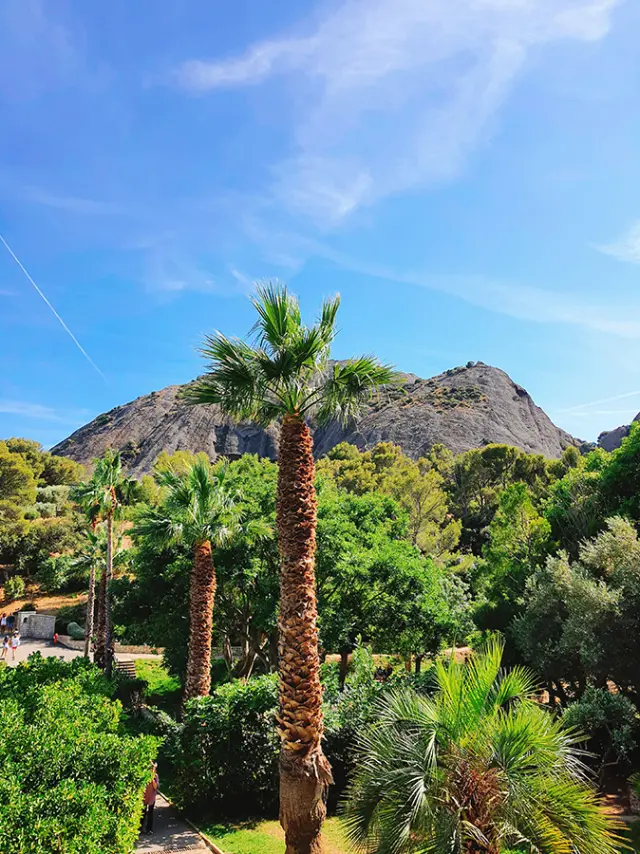
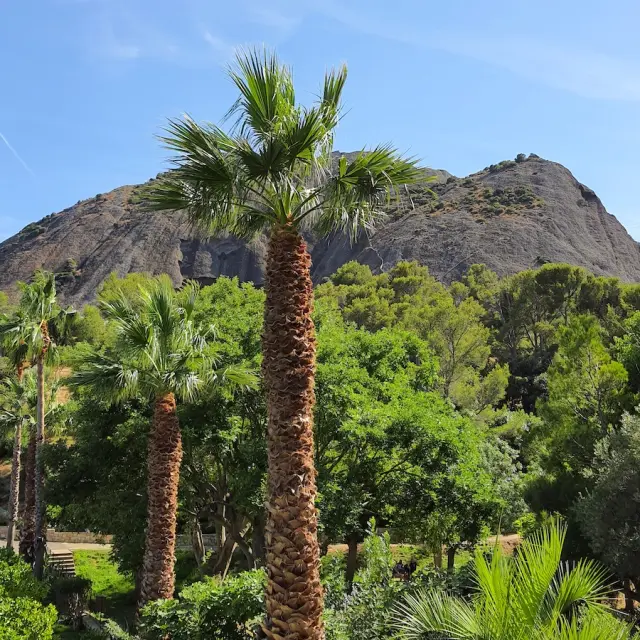
The Calanque is home to a botanical park – the Parc du Mugel – which invites visitors to take a stroll and discover the many plants of our region, some of which are extremely rare. It features dense vegetation comprising a wide variety of species: holm oaks, chestnut trees, noble laurels, cork oaks, carob trees, tin laurels, Aleppo pines, umbrella pines and maritime pines, clumps of bamboo and wildflowers.

It was not until 1987 that the park was handed over to the municipality of La Ciotat, which continues to this day to develop and maintain its various areas.

An unusual rock

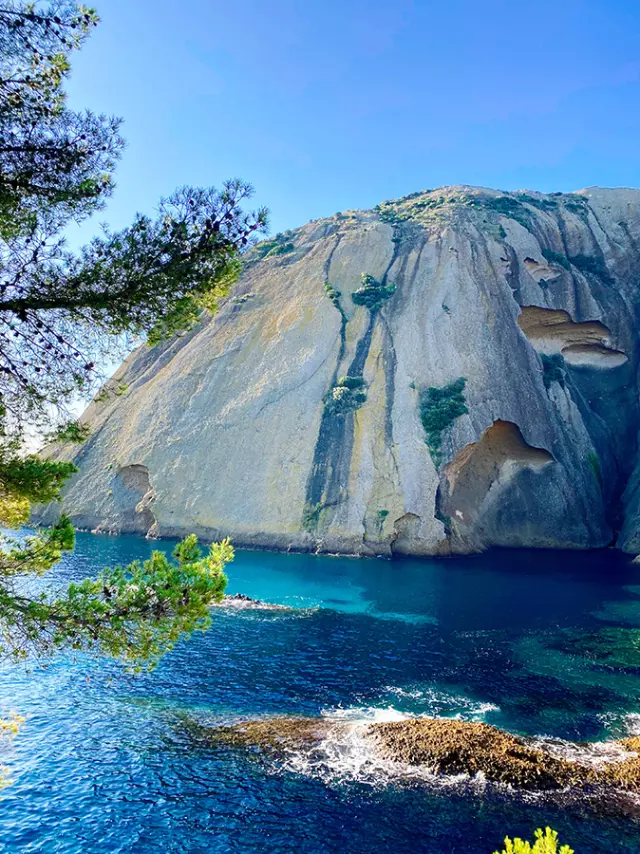
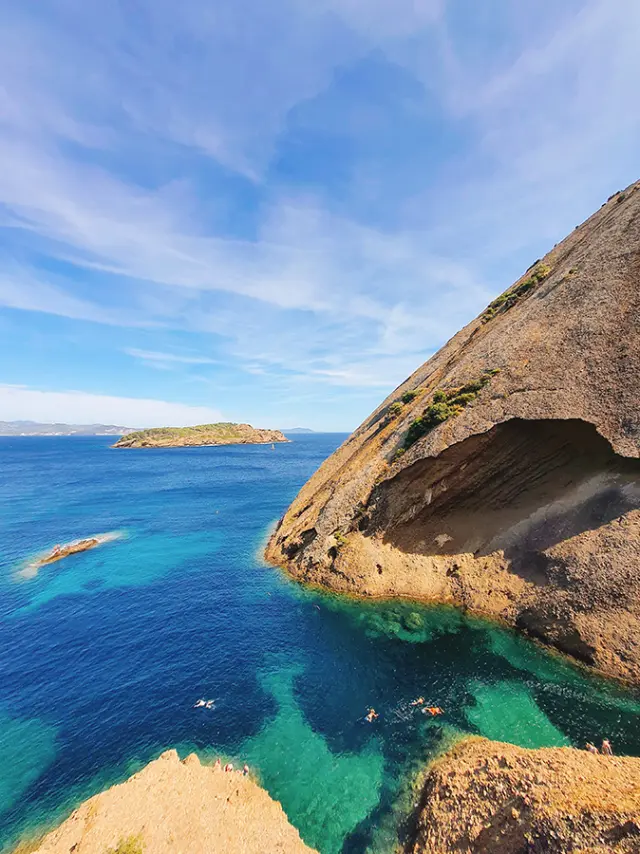
Unlike the Calanques of Marseille and Cassis, the Calanques of La Ciotat are characterised by an ochre-coloured rock known as poudingue.

La Ciotat’s poudingue is formed from pebbles resulting from the erosion of the Alpine and Pyrenean mountain ranges, which were carried by rivers to the Mediterranean Sea several million years ago. These pebbles were then cemented together by a matrix of sand, clay and calcite to form the solid rock we see today.

How do you get to the Calanque du Mugel?

Inter-prefectural decree establishing a protection zone for the natural seagrass bed habitat in Anse du Mugel and Anse du Sec

The APHN Order (Order on the Protection of Natural Habitats) of 17 April 2025 establishes the marine reserve initiated by the town’s Marine Education Areas (AME), to enable the restocking of this marine environment and the protection of this ecosystem – a true natural treasure of La Ciotat, renowned for its crystal-clear waters and Posidonia seagrass beds. Situated in the immediate vicinity of the town centre, the decree has enabled the creation of a strict protection zone covering nearly 10 hectares at sea, where all forms of recreational fishing are prohibited, whilst small-scale fishing by the La Ciotat fishermen’s association remains authorised within a very limited area.