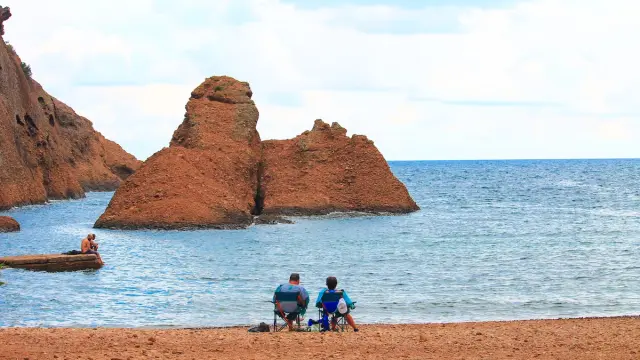
Figuerolles Cove, La Ciotat 3
©

Figuerolles Cove, La Ciotat 3

The Figuerolles Calanque

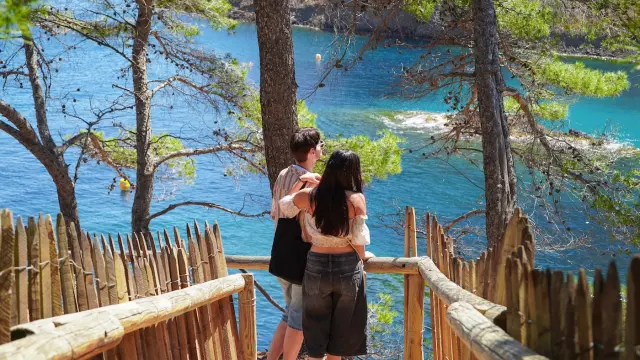
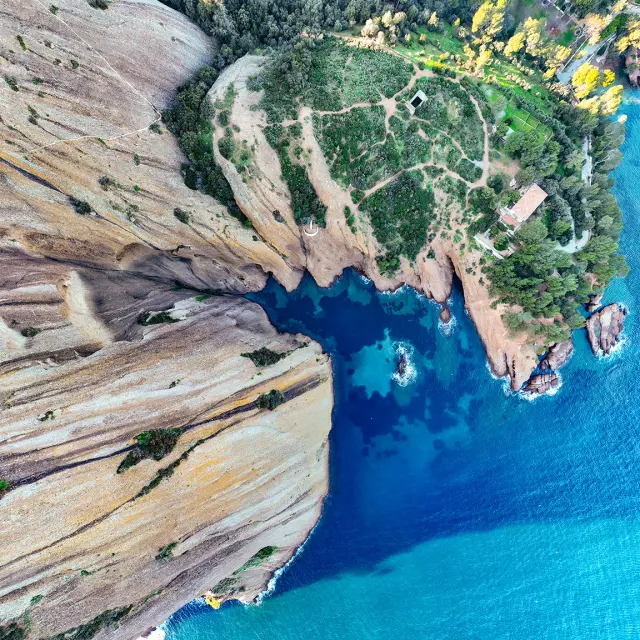
Although less popular than Mugel, the Figuerolles calanque is every bit as good as its neighbour. Facing due south, the spot is very photogenic and is a favourite with many outdoor enthusiasts looking to go rock climbing, diving or kayaking.

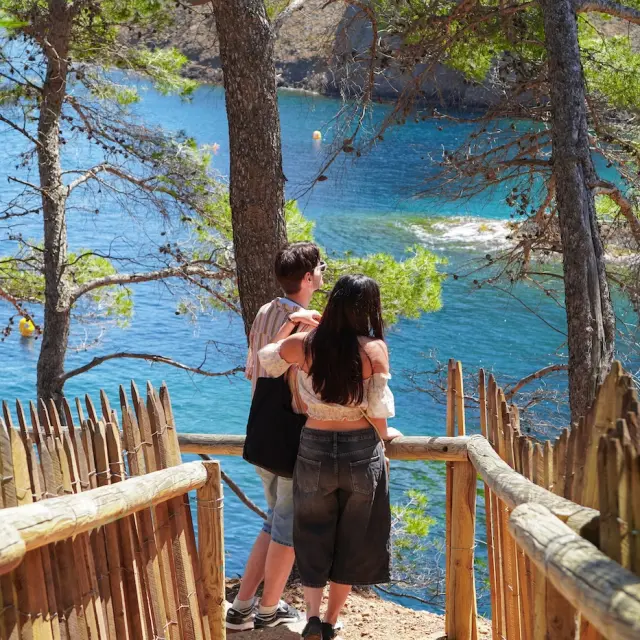
After climbing a flight of 87 steps…

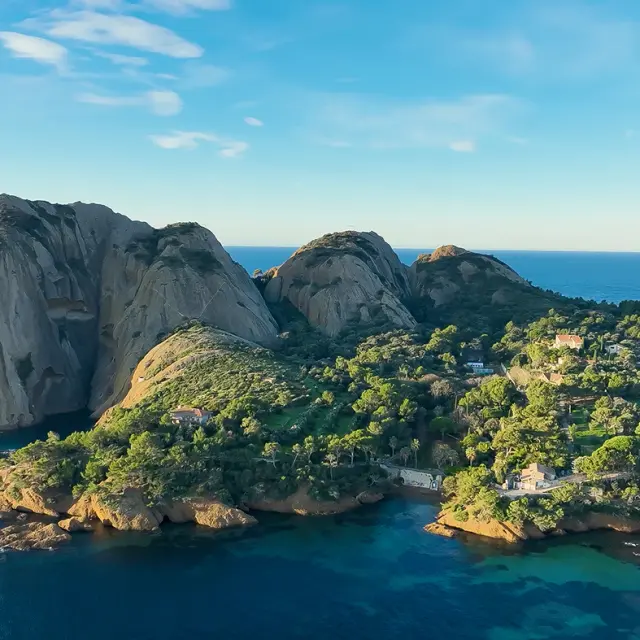
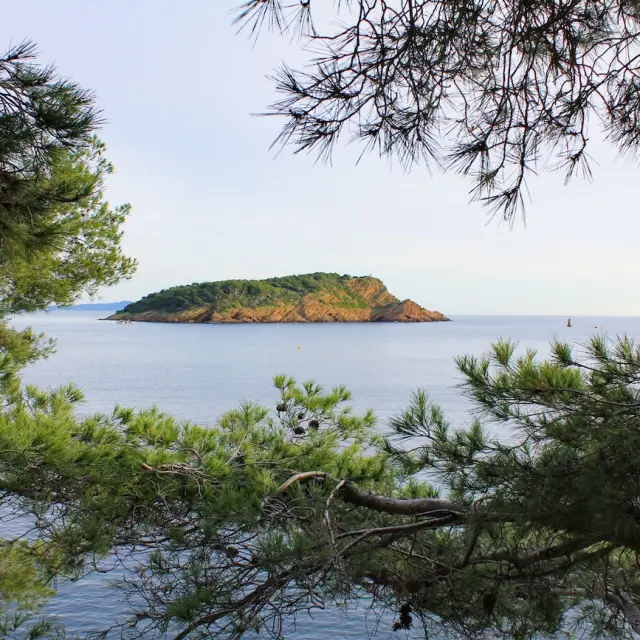
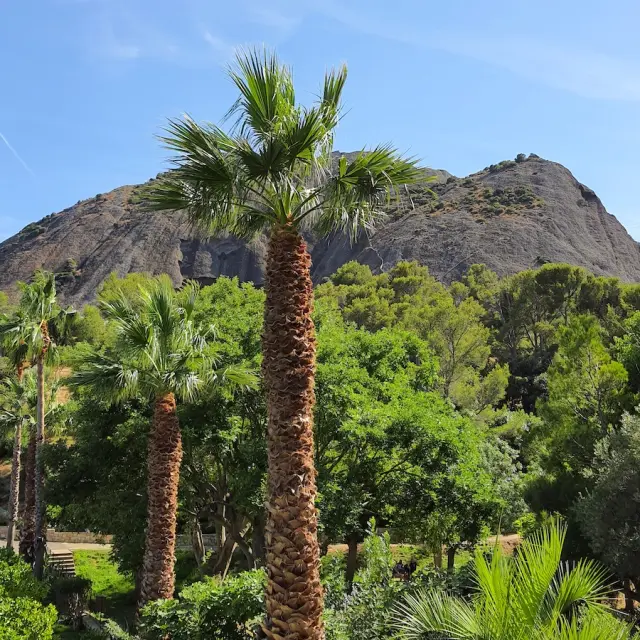
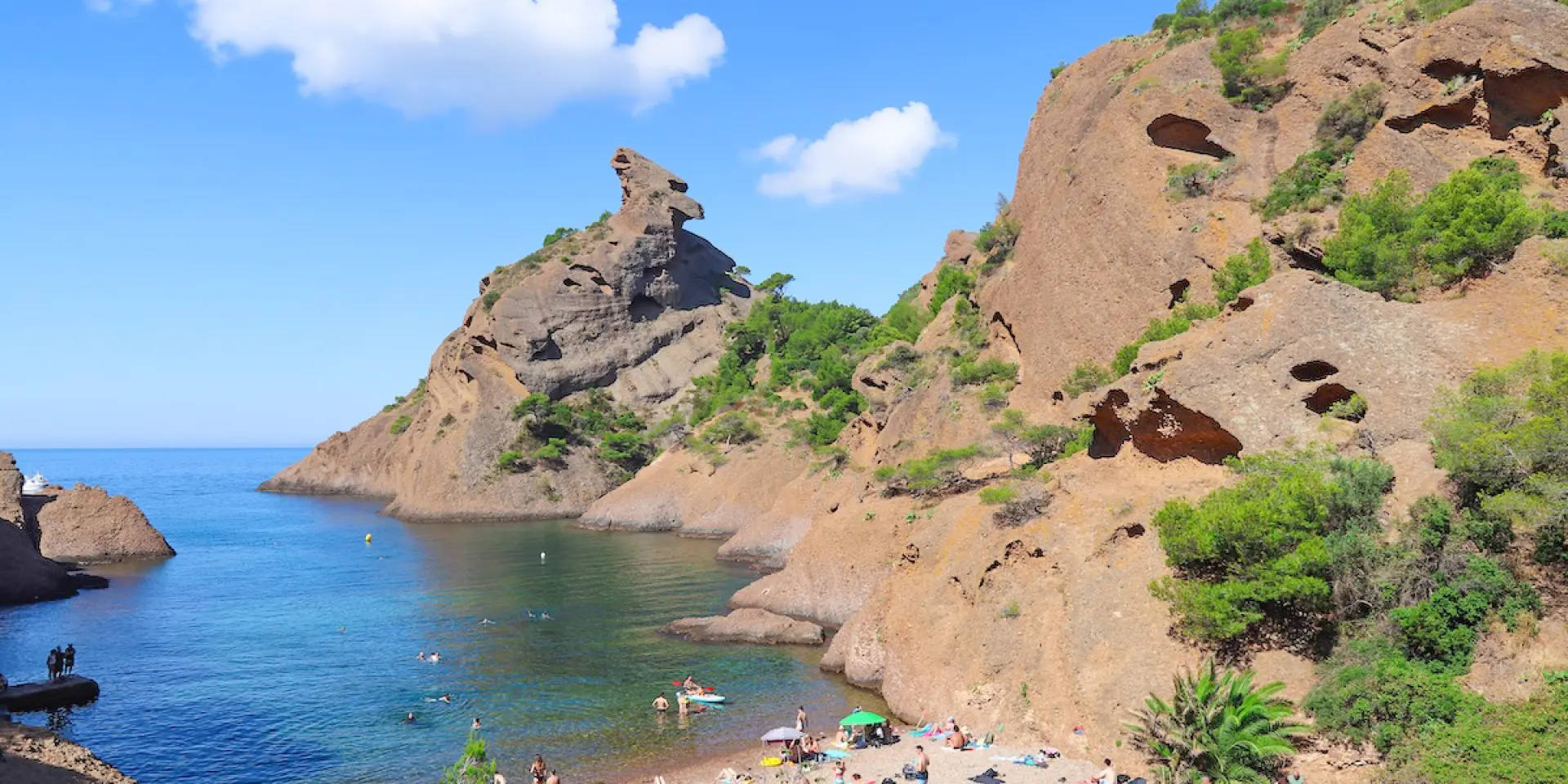
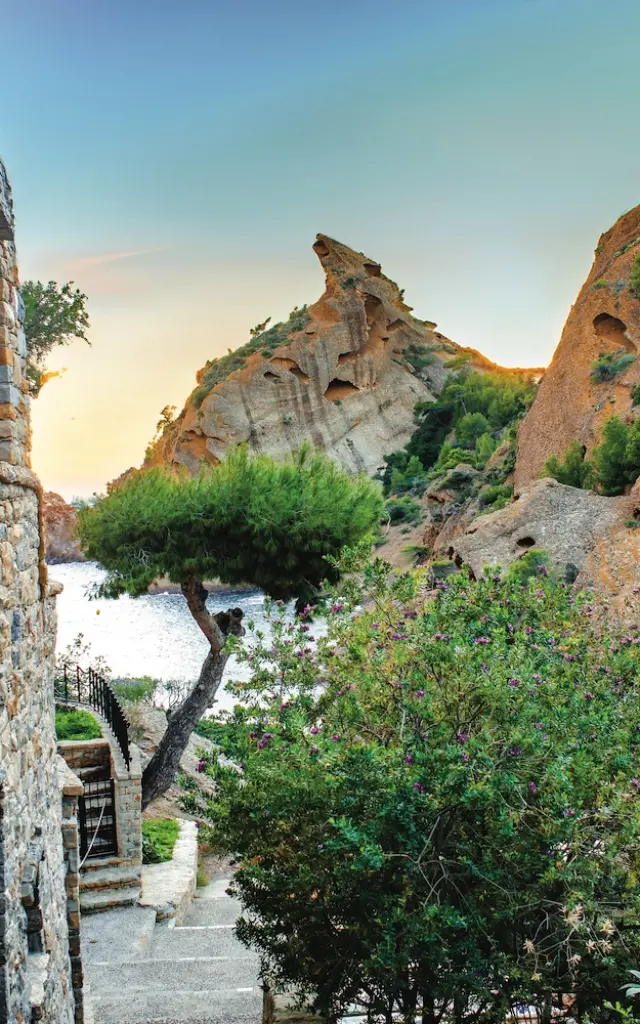
the Calanque de Figuerolles (formerly planted with fig trees, hence its name) is characterised by the erosion of the puddingstone and by the Rocher du Capucin. Situated right in the heart of the Calanques National Park, the rock, when viewed from another angle, is also known as the Tête de Chien (Dog’s Head) due to its resemblance to a dog’s head. The Îlot du Lion, meanwhile, bears witness to the calanque’s extravagant shapes.

Great painters such as Georges Braque and Othon Friesz immortalised it , both in 1907.
The Independent Republic of Figuerolles

As a bit of trivia, theChez Tania hotel and restaurant has overlooked the calanque since 1956. You even have to walk through it to get from the car park to the beach. The Independent Republic of Figuerolles has existed ever since. This is a joke coined by the restaurant’s founders, who found the place so unusual and different that they felt it couldn’t possibly belong to France. According to legend, there’s even a one-hour time difference there.

Did you know?

You can still pay with figs. In fact, 1kg of figs is worth €6! What’s more, ‘Figuerolles’ means ‘fig tree garden’ in Provençal!

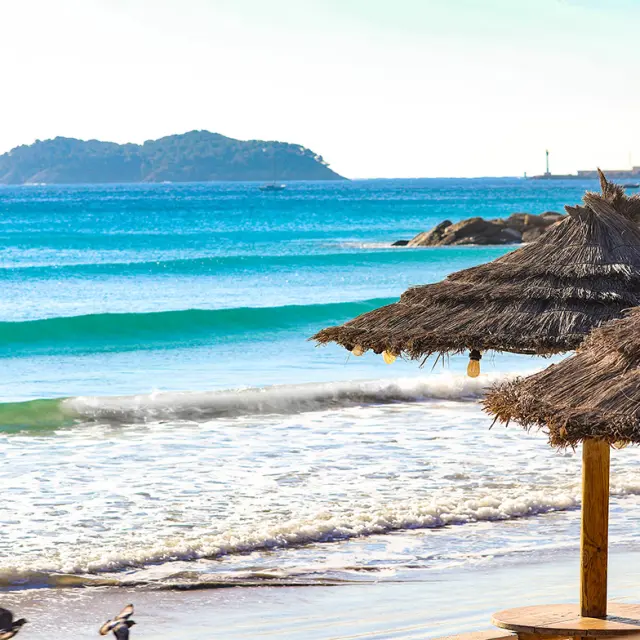
As with Mugel, this isn’t a sandy beach but a pebble beach. Dogs aren’t allowed on the beach.

How do you get to the Calanque de Figuerolles?

Find out more

in the Calanques National Park