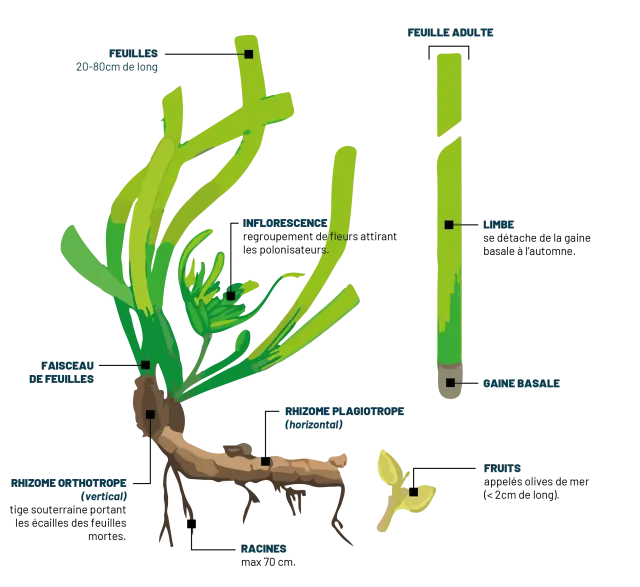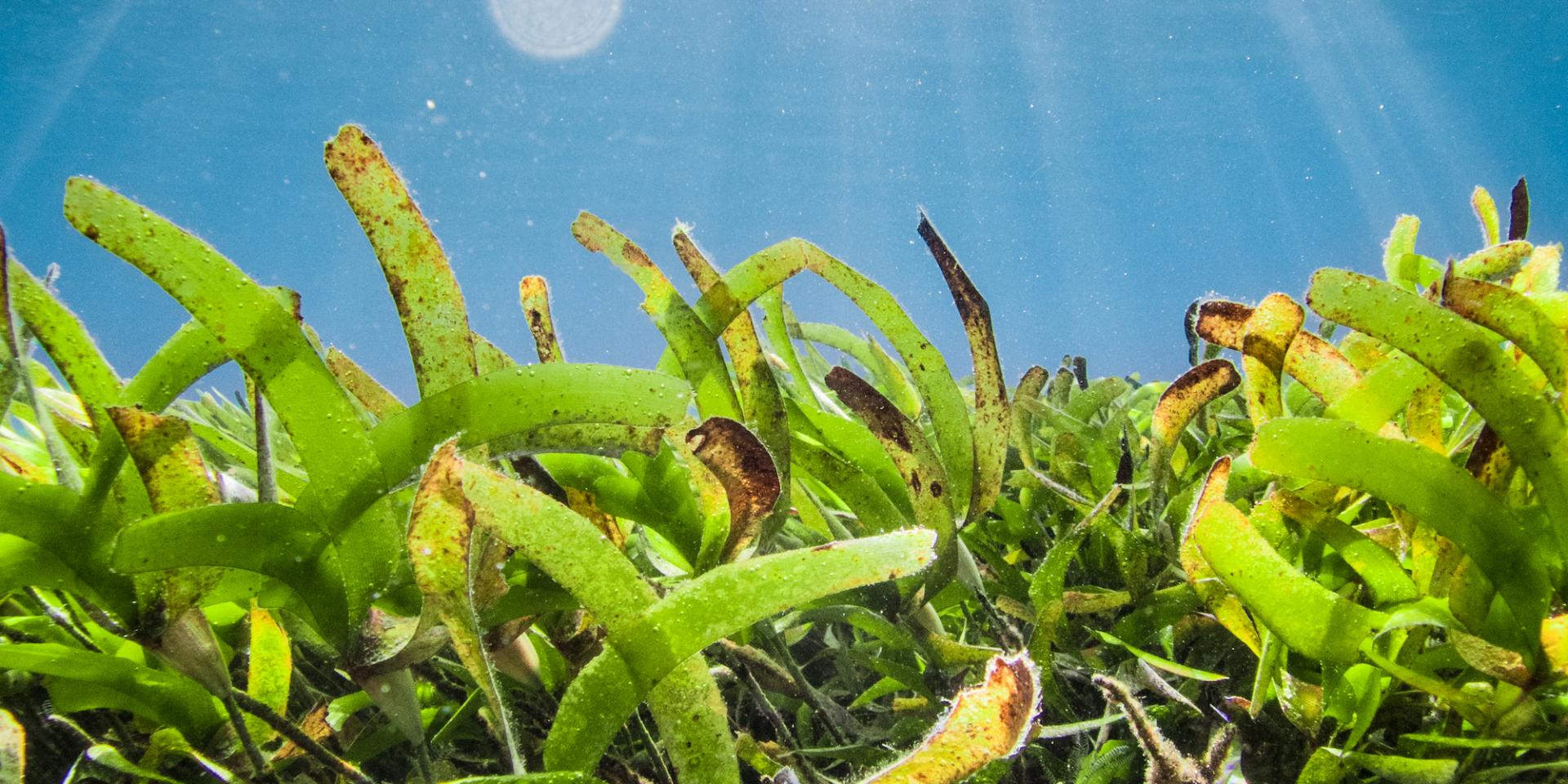
Posidonia seagrass beds are not only a habitat and feeding ground for many fish, but also an important spawning ground (where fish lay their eggs) and nursery (where young fish live).
It is the most beneficial ecosystem (to humans) on the planet. It therefore provides what are known as ‘ecosystem services’. That is to say, economic services that an ecosystem provides to humankind through the sustainable sequestration of carbon, the protection of beaches against erosion, its role as a spawning ground, and so on.
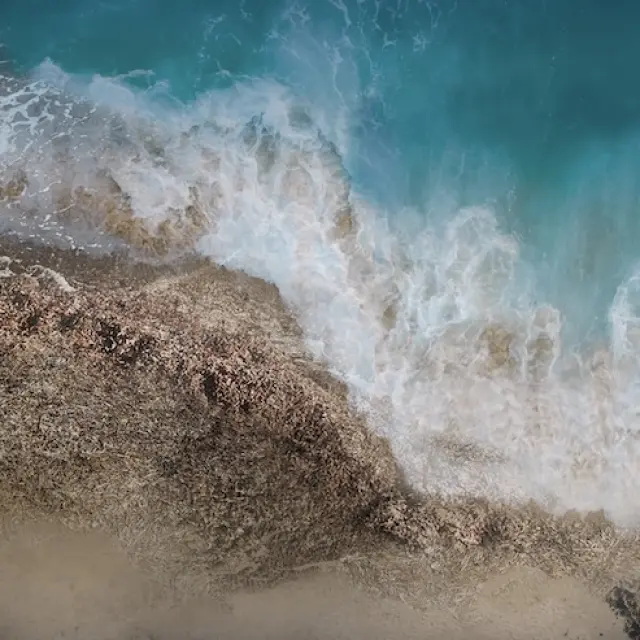
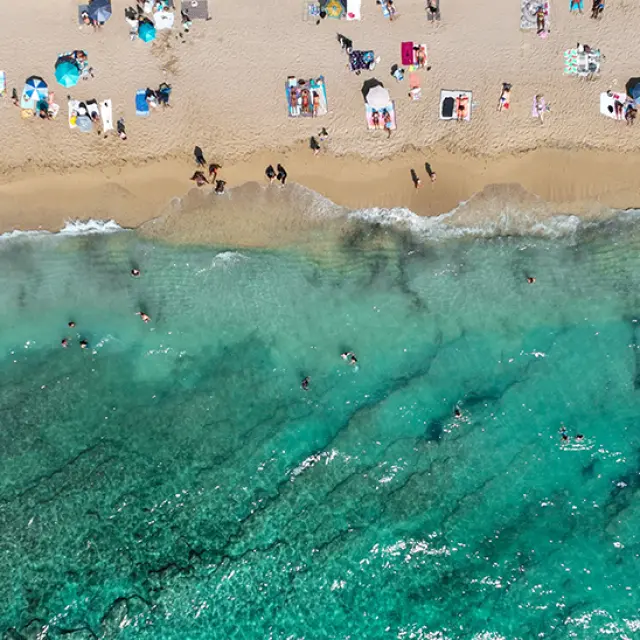
By trapping sedimentary particles, ithelps to stabilise the beach and allows transported sandto settle. It forms the basis of the food web for detritivorous invertebrates (which feed on decomposing organic matter) on beaches and provides a habitat for a distinctive fauna that feeds and lives there.
A thick carpet of Posidonia on a beach is an indicator of the quality of the coastal marine environment, as it signifies the presence of a Posidonia seagrass bed in good condition, which itself fulfils a wide range of functions within the ecosystem. Finally, these wind-swept mats allow Posidonia leaves to be dispersed across the dune landscape behind the beach and encourage vegetation to colonise the area by providing the nutrients necessary for its growth.